Types of Clay for Pottery: Earthenware, Stoneware & Porcelain Guide for Beginners
There are many types of clay for hand-building and wheel throwing. Today, in ceramic supply stores, it’s easy to get lost because there are so many brands and options. So we decided to share which clays we use.
Let’s start simple: all clay is a natural material that people have used for thousands of years. There are many different types, and each one has its own properties and purpose.
Earthenware (low-fire clay) is more porous and a bit fragile, but it’s perfect for beginners and workshops. Many potters use the French clay Raoult & Beck FA300 — it works well for both hand-building and wheel throwing. Beginners also like the grogged version, FA300CHF, especially for making more complex shapes and sculptures.
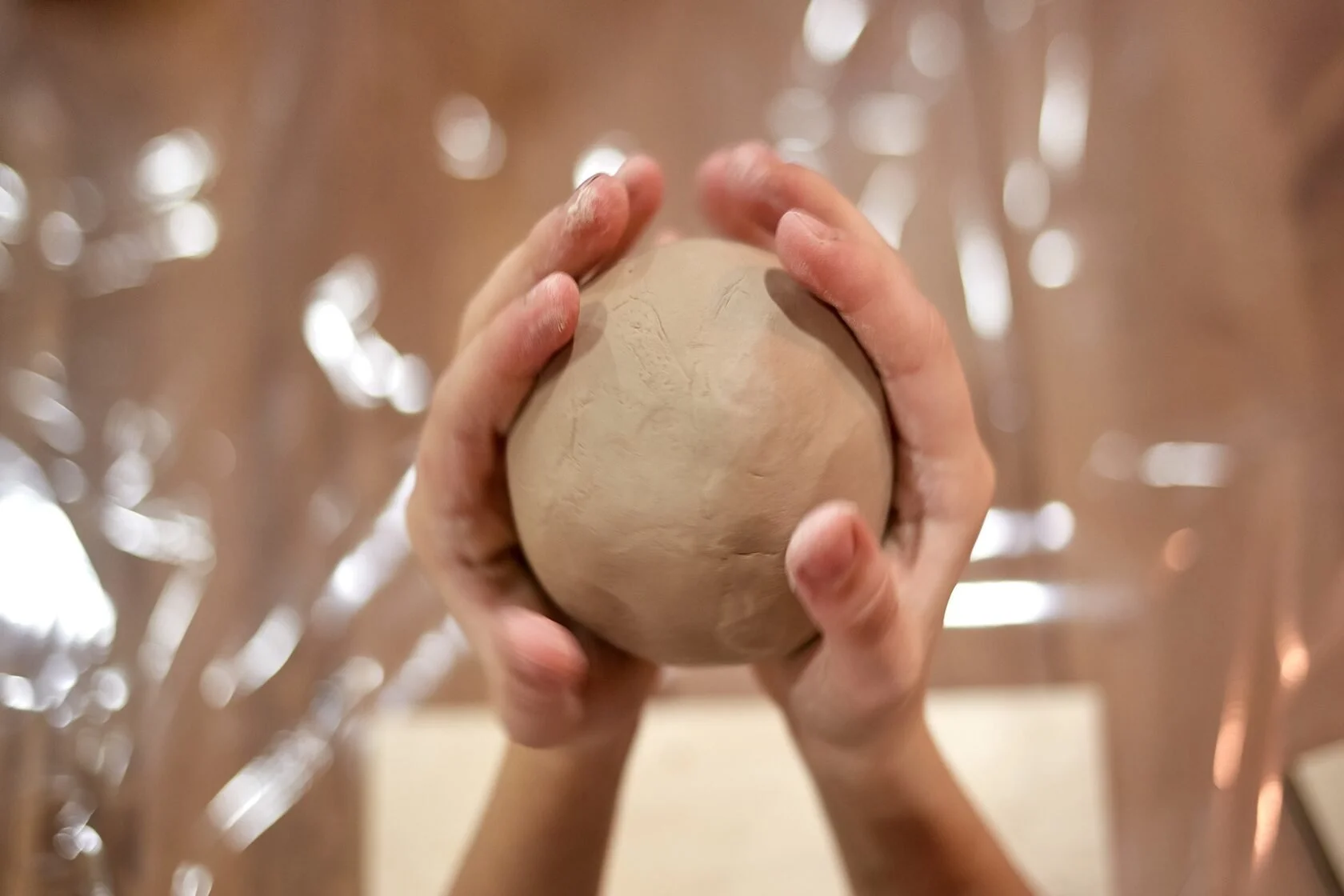
Stoneware (high-fire clay) is less porous and much stronger. It’s great for making functional items like plates, cups, and bowls. It works very well with glazes and often has beautiful natural color variations.
Porcelain is a very white clay that is fired at high temperatures to create a smooth, hard, and slightly translucent surface. It is the most difficult type of clay to work with because it is fragile, but also one of the most beautiful. We don’t use porcelain in our studio because it’s not beginner-friendly and can be unstable, but we keep an eye on new materials.
Terracotta is another type worth mentioning. It’s one of the easiest clays to work with, known for its warm, earthy colors and soft texture. It’s often used for garden items, flower pots, and decor. We sometimes use a clay called Brownie — our мастера like it for its rich chocolate color and affordable price.
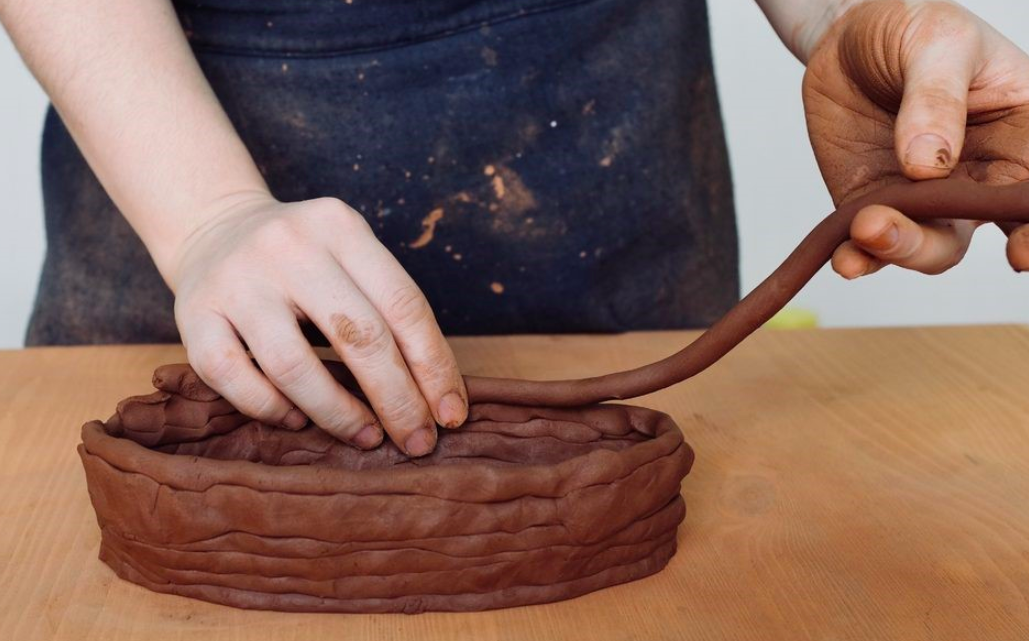
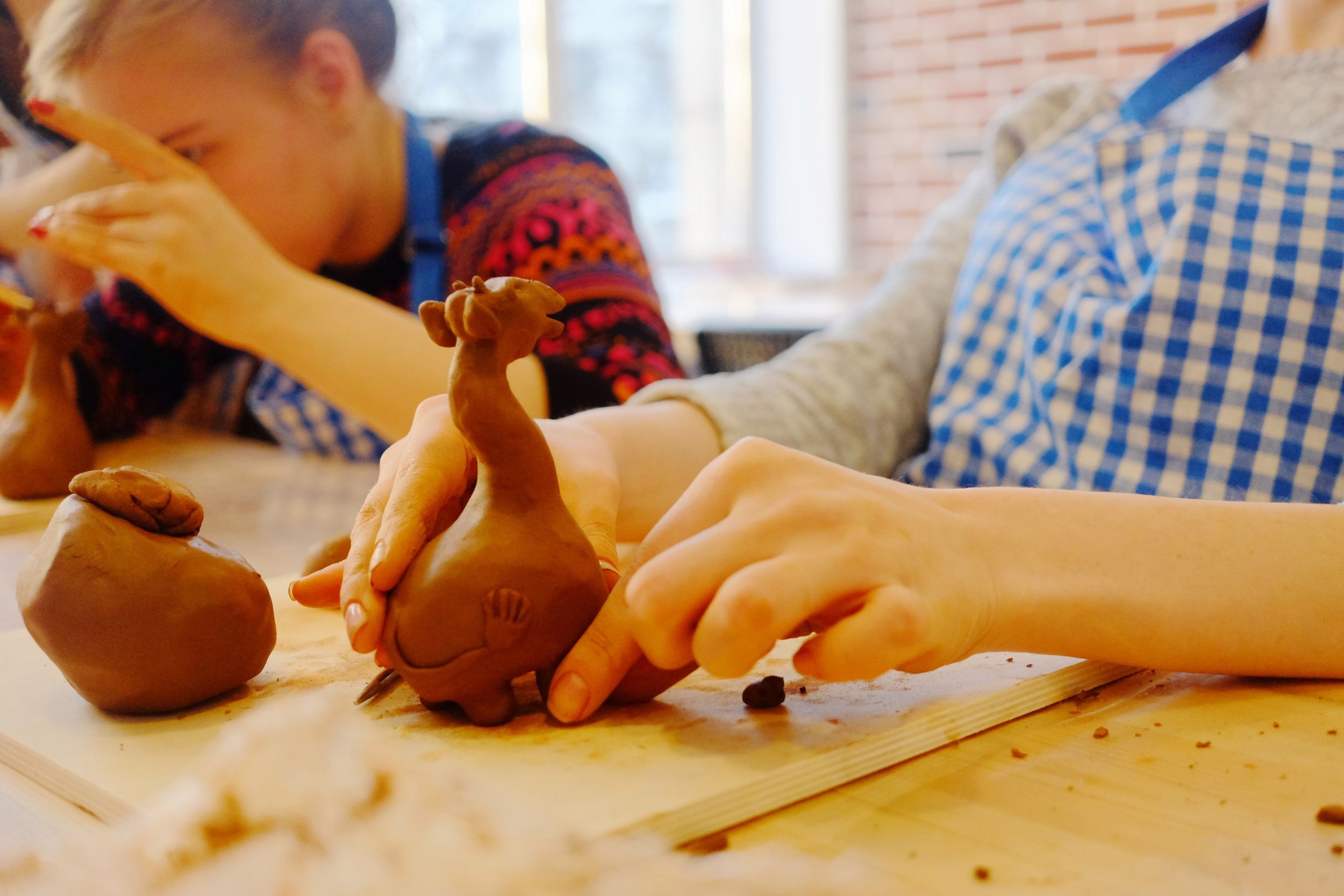
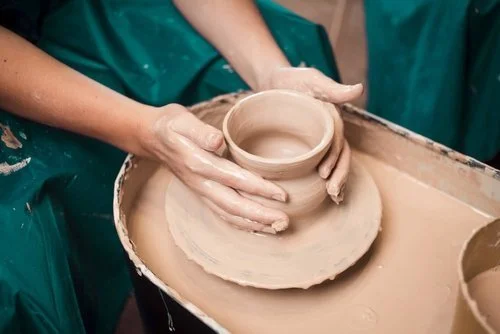
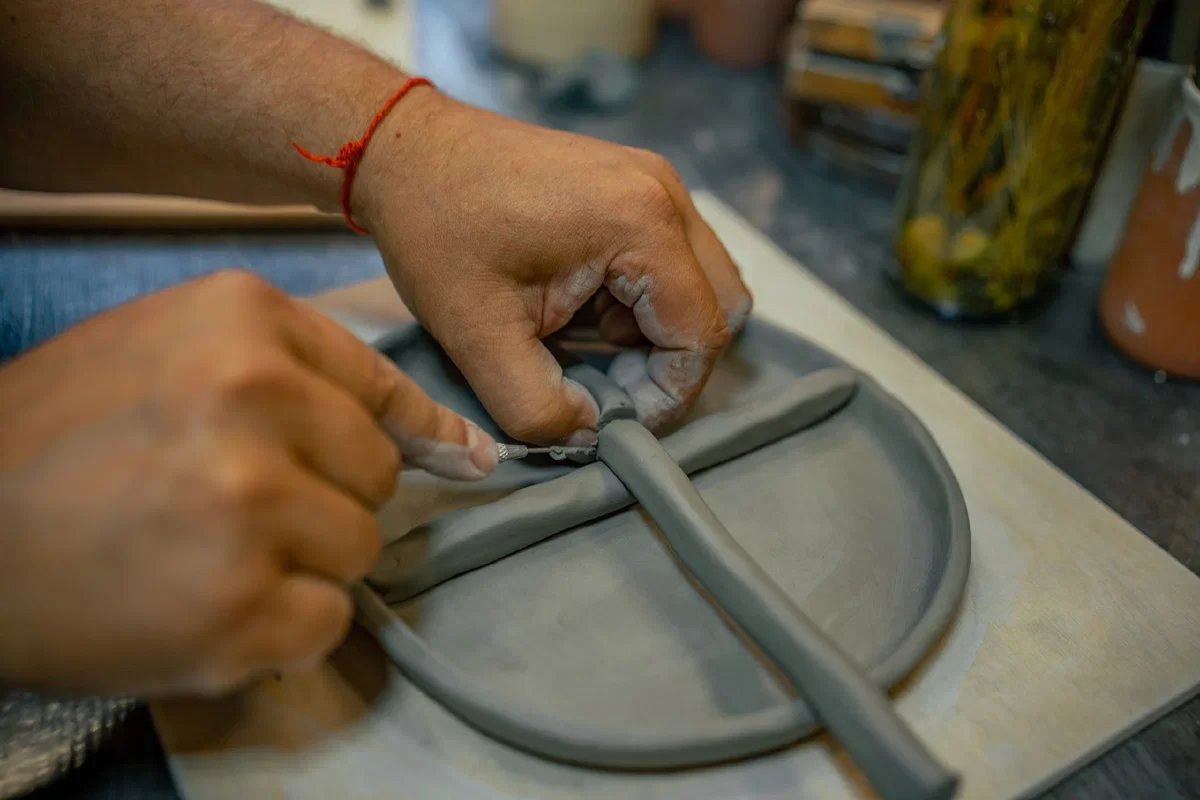
Choosing the right clay depends on what you want to make and your level of experience. Each type has its own strengths, so don’t be afraid to try different ones — experiments often lead to the most interesting results.
Article author: Ekaterina Voss – Glazing Specialist & Community Host